Mallard
Anas platyrhynchos
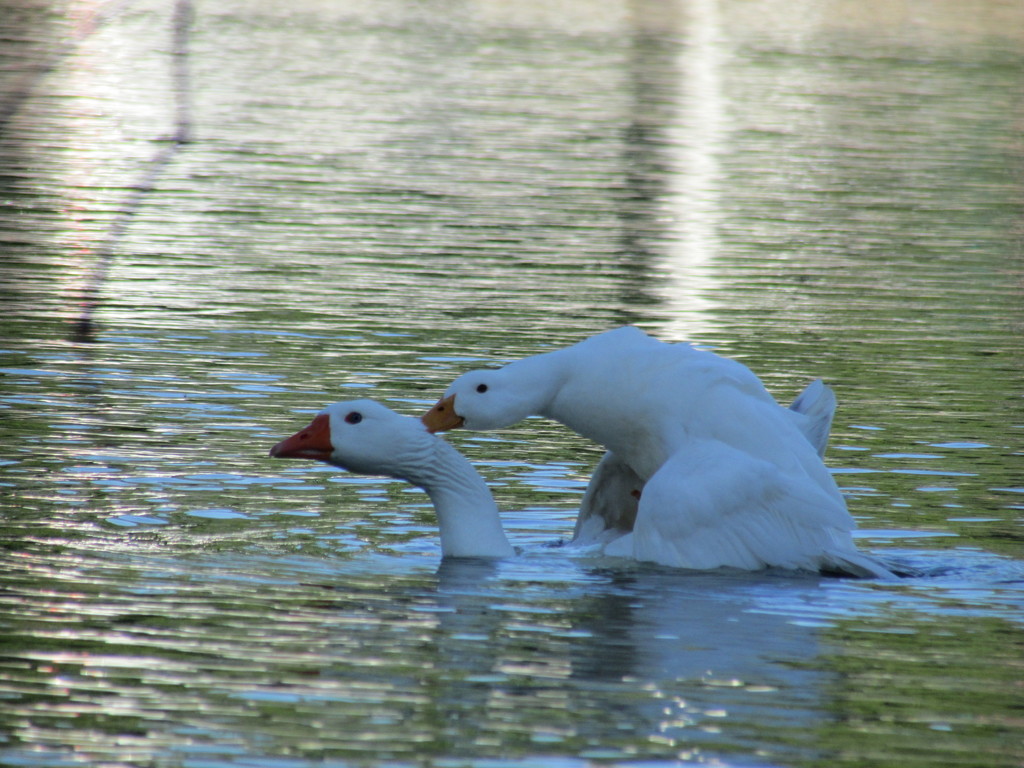
The mallard (/ˈmælɑːrd/ or /ˈmælərd/) (Anas platyrhynchos) is a dabbling duck that breeds throughout the temperate and subtropical Americas, Eurasia, and North Africa and has been introduced to New Zealand, Australia, Peru, Brazil, Uruguay, Argentina, Chile, the Falkland Islands, and South Africa. This duck belongs to the subfamily Anatinae of the waterfowl family Anatidae. The male birds (drakes) have a glossy green head and are grey on wings and belly while the females (hens or ducks)...
- Family
- Anatidae
- Order
- Anseriformes
- Records
- 269,905
- Peak
- May · Apr · Mar
Seasonality
When it shows up
November: worth looking for
Where to look
Places with recent records
Woodland, meadows, lakes
Central Park
The most famous urban park in the world is also a serious migration trap: the Ramble and the Pond concentrate warblers every spring.
Woodland, lake, meadow
Prospect Park
Brooklyn’s 526-acre answer to Central Park, with a wilder woodland edge and a lake that pulls in herons, grebes and waterfowl.
Salt marsh, mudflat, open water
Jamaica Bay Wildlife Refuge
A 9,000-acre estuary within the city limits — the best shorebird and waterbird habitat in New York, and a stopover for migrating horseshoe crabs.
Old-growth forest, caves, shoreline
Inwood Hill Park
Manhattan’s last remnant of old-growth forest, perched on schist above the Hudson and the Harlem River ship canal.
Forest, salt marsh, beach
Pelham Bay Park
The largest park in the city: oak forest, Orchard Beach, and a lagoon system that fills with wading birds in summer.
Waterfront, piers, planted gardens
Brooklyn Bridge Park
A reclaimed industrial waterfront where cormorants, terns and peregrines hunt between the bridge towers.
Easy to confuse with
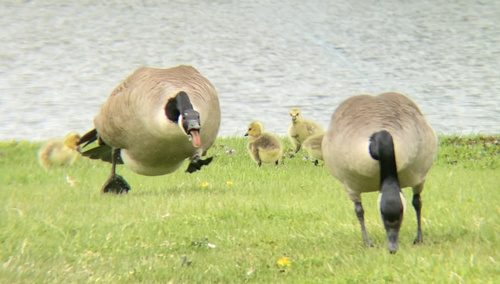
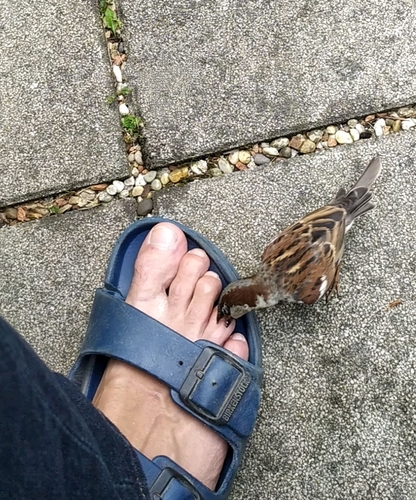
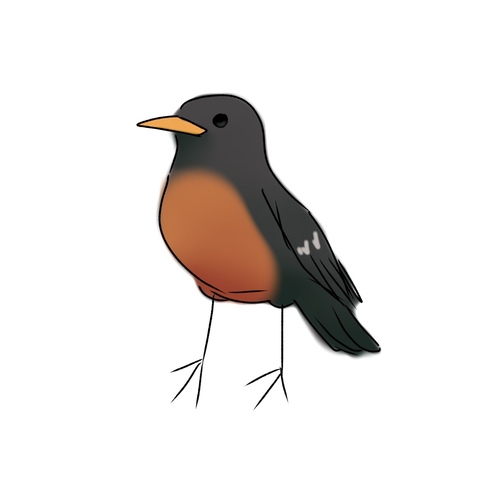
Similar species in New York City
Sources
Occurrence counts and seasonality are derived from GBIF records (2018–2026). Description adapted from Wikipedia via iNaturalist, licensed CC BY-SA. Photo: no rights reserved (CC0). Species pages are for observation only — never disturb wildlife.