Mallard
Anas platyrhynchos
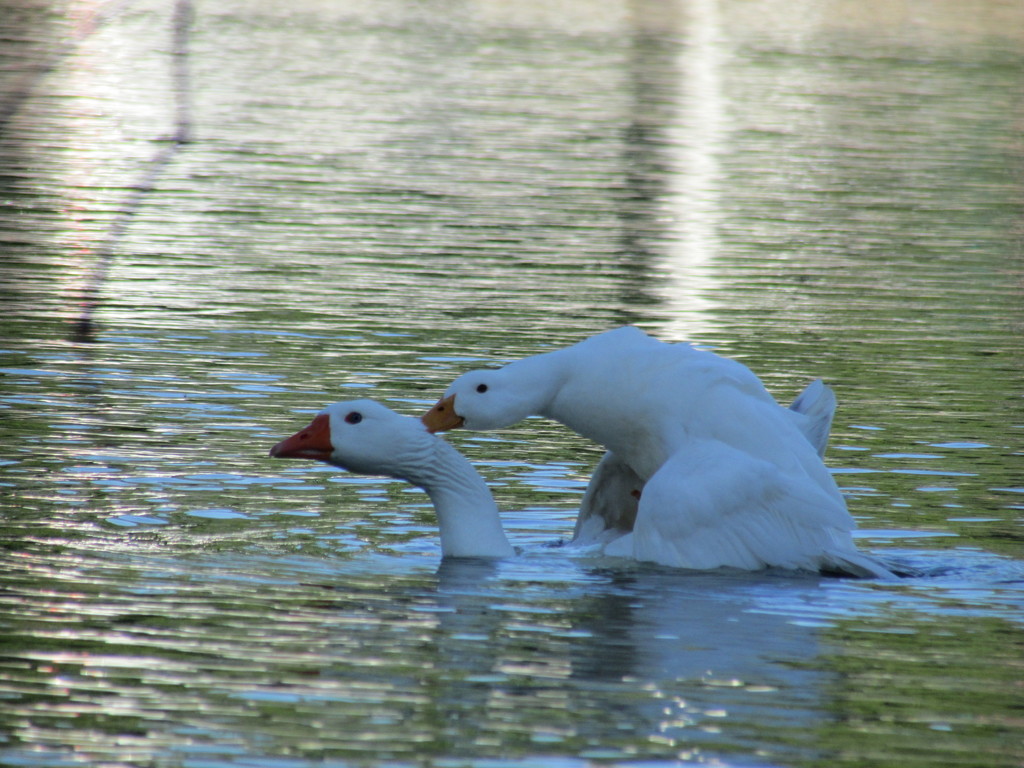
The mallard (/ˈmælɑːrd/ or /ˈmælərd/) (Anas platyrhynchos) is a dabbling duck that breeds throughout the temperate and subtropical Americas, Eurasia, and North Africa and has been introduced to New Zealand, Australia, Peru, Brazil, Uruguay, Argentina, Chile, the Falkland Islands, and South Africa. This duck belongs to the subfamily Anatinae of the waterfowl family Anatidae. The male birds (drakes) have a glossy green head and are grey on wings and belly while the females (hens or ducks)...
- Family
- Anatidae
- Order
- Anseriformes
- Records
- 96,742
- Peak
- Apr · May · Mar
Seasonality
When it shows up
November: worth looking for
Where to look
Places with recent records
Ancient woodland, acid grassland, deer
Richmond Park
The largest of London’s royal parks: 2,500 acres of open grassland, veteran oaks and free-roaming red and fallow deer.
Woodland, ponds, rough grass
Hampstead Heath
A wild-feeling ridge of woods, ponds and meadows ten minutes from Zone 1, with one of the city’s richest bird lists.
Lake, lawns, ancient trees
Hyde Park
The Serpentine and its margins are the classic introduction to London’s waterfowl, herons and winter gulls.
Reservoirs, reedbed, scrub
Walthamstow Wetlands
Europe’s largest urban wetland nature reserve — a working reservoir estate that doubles as a migration hotspot.
Botanical collections, lake, woodland
Kew Gardens
A living collection of more than 27,000 plant taxa, with mature trees, a lake and long-established woodland edges.
Lake, lawns, waterfowl
St James’s Park
The oldest of London’s royal parks, and the easiest place to meet pelicans, herons and a very confiding waterfowl flock.
Easy to confuse with
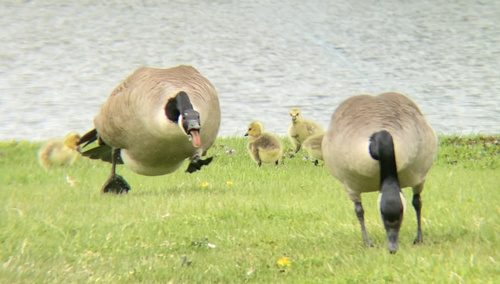
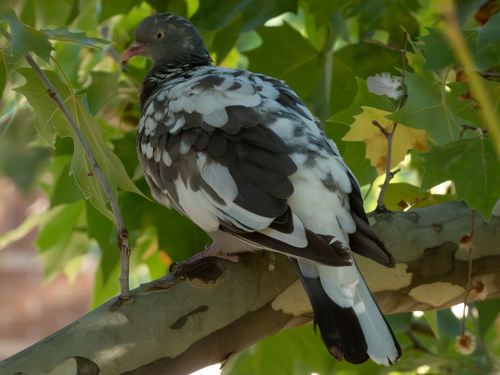
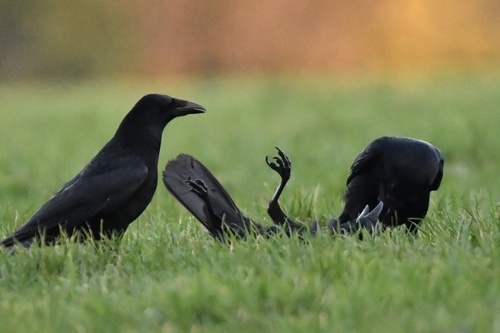
Similar species in London
Sources
Occurrence counts and seasonality are derived from GBIF records (2018–2026). Description adapted from Wikipedia via iNaturalist, licensed CC BY-SA. Photo: no rights reserved (CC0). Species pages are for observation only — never disturb wildlife.